The Second-Glass Rule: A Festive Drinking Plan With Room for Mulled Wine
December has a particular soundtrack: mince pies, Mariah Carey, and someone saying, 'Go on, it's Christmas.' The office party, the pub catch-up, the market stall with the mulled wine that smells like a warm hug — festive drinking is woven into the season. And at H4RT, we are not here to cancel it.
But we are here to talk about what alcohol does to your heart, because a bit of awareness can make the difference between a lovely night and a January you would rather forget. This is not about perfection. It is about pacing. Think of it as the second-glass rule: enjoy the first, then give yourself a pause before the next one.
What alcohol actually does to your heart (in plain English)
Alcohol is not a simple yes-or-no for your heart. In the short term, it can widen blood vessels, which is why some people feel warm and flushed after a drink. It can also nudge your heart rate up, affect your blood pressure, and disturb your sleep — and poor sleep often means a grumpy heart the next day.
Drink more heavily, especially over a festive season, and the effects add up. You may notice a racing pulse, palpitations, or a hangover that feels more heart-thumpy than usual. For some people, especially those with an existing heart condition or high blood pressure, alcohol can be more than a passing blip.
UK guidance is a useful anchor: no more than 14 units a week for most adults, spread over three or more days, with some drink-free days. A standard glass of wine is around 2 units, a pint of ordinary-strength lager is around 2 to 3, and a small mulled wine can easily be 2 or more depending on the recipe. The old line still holds: there is no completely safe level of drinking. But there is a big difference between a mindful glass and a month-long blur.
If you take medication for blood pressure, a heart condition, or anything else, it is worth asking your pharmacist or GP how alcohol fits in. That is not a lecture — it is just good admin, like checking the train times.
The social gravity of the festive pint
Let us be honest: festive drinking is rarely just about the drink. It is about belonging. The round that appears on the table. The colleague who looks wounded if you say no. The family tradition that says the Baileys comes out at 11am on Christmas Day. Saying 'I am pacing myself' can feel about as welcome as a sprout at a birthday party.
So borrow a script. 'I'm on water for the next one' is short, true, and hard to argue with. 'Just a small one, thanks' works. 'I'm driving' is a classic for a reason. 'I'm doing a bit of a lighter December' is honest without inviting a full medical debate. You do not owe anyone a detailed explanation of your heart, your medication, or your hangover history.
And if you are the one organising the drinks, make the easy option the visible one. Put a jug of water on the table. Buy a couple of alcohol-free beers as well as the usual. Offer a smaller glass. Nobody has to announce their choice. The best festive hosting is the kind where people can take the pace that suits them.
The second-glass rule, explained
The rule is simple. Have the first drink you actually want. Then, before the second, create a pause. Drink a glass of water. Have a chat. Eat something. Check in with yourself: do I want another drink, or do I want another round because everyone else is having one?
That pause does two things. It slows you down, which gives your body a bit of breathing room. And it turns a reflex into a choice. You might still have the second glass. That is fine. The point is that it is yours.
Smaller measures help too. A 125ml glass of wine is not a tragedy. A spritzer — half wine, half soda water — is genuinely refreshing and stretches the evening out. A lower-strength beer, a small mulled wine topped up with extra orange and spice, or a hot spiced apple juice can all scratch the same festive itch. Water pacing is not a punishment; it is the thing that lets you enjoy the good bits without feeling like you have been wrung out by Boxing Day.
A very British swap list
- Swap the large 250ml wine for a 125ml glass and actually taste it.
- Turn a glass of white wine into a spritzer with soda water and a slice of lemon.
- Try an alcohol-free beer or a ready-made alcohol-free gin and tonic. They have come a long way since the sad ones.
- Serve mulled wine in a smaller mug, with extra orange and cinnamon, rather than a pint-sized tankard.
- Put a jug of iced water on the table before anyone sits down.
- Alternate: one alcoholic drink, one soft one. No medals, no martyrdom.
- Suggest a walk between the pub and the next pub. It counts for your heart and your head.
The morning-after heart check
A hangover can make your heart feel louder than usual. You may be dehydrated, short on sleep, and a bit anxious — all of which can push your pulse up. The answer is usually water, food, rest, and a gentle walk rather than a big workout.
But do not ignore symptoms that feel wrong. Chest pain or pressure, severe breathlessness, fainting, or a racing heartbeat that does not settle are reasons to seek urgent help. Call 999 for chest pain that could be a heart attack. For less urgent worries, NHS 111 can point you in the right direction. And if your smartwatch is flashing a warning, remember it is a prompt to check in, not a diagnosis.
Permission to enjoy the mulled wine moment
Heart health is not built on a single glass of mulled wine, and it is not destroyed by one either. It is built on patterns: how you eat, how you move, how you sleep, how you manage stress, and how you drink across the weeks and months. A festive season with a few more drinks in it does not erase the rest of the year.
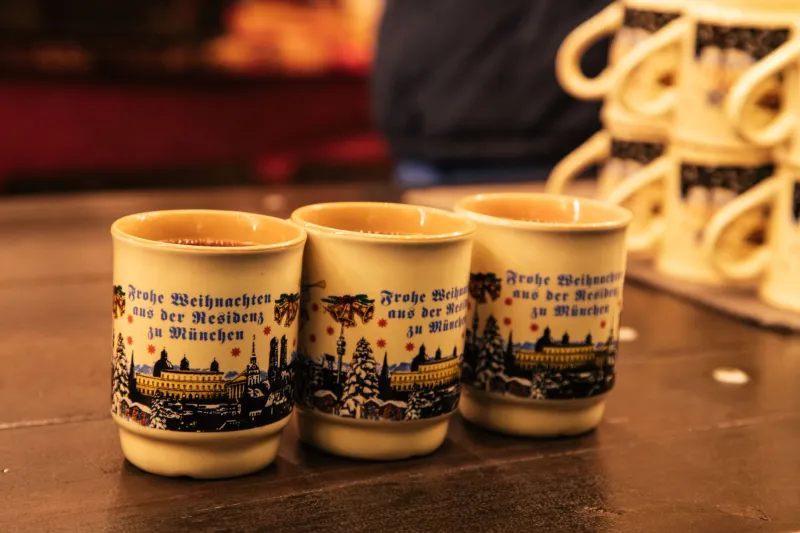
So have the mulled wine. Sit down with it. Notice the steam, the orange, the ridiculous joy of standing in a cold market with warm hands. Then have a glass of water. Then decide what you actually want next. That is the second-glass rule: not a ban, just a bit of breathing room. Your heart will thank you for the pause — and you still get to enjoy Christmas.