Spade Work, Heart Work: Pacing Yourself on the Plot This Autumn
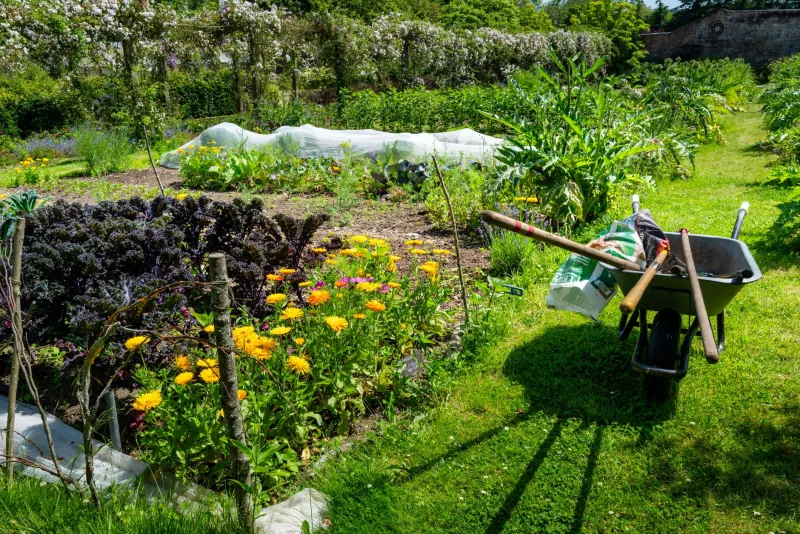
There is a particular kind of satisfaction in shutting the shed door after an hour on the plot. Muddy boots, a few weeds in the bucket, maybe a bunch of kale or a bag of shallots to take home. It does not feel like exercise. That is rather the point.
Gardening is one of those everyday activities that quietly asks a lot of your body: walking, bending, reaching, carrying, kneeling, standing back up again. Done at a sensible pace, it can be a genuinely useful part of a heart-friendly week. Done as a heroic Saturday blitz, it can also leave you creaking by Monday and reaching for the ibuprofen. This is not a fitness plan. It is a guide to keeping the plot on your side.
The movement is real, even when it does not feel like it
Digging, raking, filling a watering can, walking to the compost heap and back: it all adds up. Regular moderate movement helps your heart and circulation, and the official advice is not reserved for gyms and lycra. Everyday activity counts.
The useful test is simple. Can you hold a conversation while you work? If you can chat over the fence without gasping, you are probably in a comfortable zone. If you are too puffed to answer, ease off. The plot is not a race, and the rhubarb will not judge you.
Pace the plot like a November afternoon
Late autumn is a good time to think about pacing because the jobs are often heavier: clearing beds, spreading mulch, cutting back, maybe planting garlic if the ground is not too wet. It is easy to look at the whole plot and decide to sort it in one go. Please do not.
Try working in chunks of 20 to 30 minutes, then stop for a proper breather. Sit on the bench, drink something, look at what you have done rather than what is left. Alternate heavy jobs with lighter ones: ten minutes of digging, then a bit of tidying, then a walk to the tap. Start with a slow lap of the plot before you lift anything. It sounds almost too gentle to matter, but it gives your body a chance to wake up.
A little and often beats a heroic Sunday followed by a week of stiffness. If you can manage two short visits rather than one long one, your heart will probably thank you for it.
Bending, lifting and the wheelbarrow rule
Most allotment injuries are not dramatic. They are the result of a full barrow, a awkward bag of compost and a twist to the left when you should have moved your feet. Keep loads close to your body. Bend your knees rather than folding at the waist. Use a kneeler or a stool for low jobs if you have one. Long-handled tools are your friends.
If you have a heart condition, have been told your blood pressure is high, or are getting back into activity after a break, it is worth asking your GP or specialist team what feels sensible for you before you take on heavy digging. That is not a reason to avoid the plot. It is a reason to plan it.
And know your stop signals. Chest pain, unusual breathlessness, dizziness or feeling faint are not things to push through. Stop, sit down and seek help. For chest pain that is new, severe or worrying, call 999. The NHS is very clear about that, and so are we.
Weather, with a very British caveat
November on an allotment can offer bright cold sunshine, horizontal drizzle and a wind that finds the gap in your coat, sometimes all before lunch. Check the forecast, dress in layers and take waterproofs. Cold weather can put extra strain on the heart, so warm up indoors before you go out and keep your head and hands covered. A flask is not a personality flaw; it is practical kit.
In warmer months, avoid the hottest part of the day, drink water and take shade breaks. In winter, watch for ice and mud. Good boots matter more than good intentions. If the ground is frozen solid or the plot is under water, the weeds will wait. So should you.
The fence is part of the heart kit
The social side of an allotment is easy to overlook, but it matters. A chat about slugs, a shared tip about tomatoes, someone lending you a fork: these small exchanges are good for how we feel. Loneliness and isolation can take a toll on wellbeing, and wellbeing is part of heart health. You do not need to be the most sociable person on the site. A nod and a few minutes over the fence is enough.
Some of the best heart-friendly moments on a plot happen while sitting down. Tea, a bench and a conversation about whether it is too late for broad beans. That counts.
Build a plot you can actually keep
A heart-friendly plot is not the tidiest one on the site. It is the one you can visit without dread. Choose a few jobs you can finish. Mulch to suppress weeds. Accept that some corners will be wild. Ask for help with the heavy stuff. Leave the plot before you are completely exhausted, not after.
So take the spade. Take the flask. Take your time. The plot is not a gym, and it does not need to become one. It is simply a good place to move, breathe, chat and come home a little calmer. Heart health, made human.