A Letter, a Cuff and a Conversation: Your NHS Health Check, Decoded

Some post still lands with a thud. A brown envelope from the GP surgery, a line about booking your NHS Health Check, and suddenly you’re wondering whether you’ve been secretly failing at being forty-something. Take a breath. This is not a report card. It’s a conversation about your future heart health, with a few measurements attached.
First, what is it actually for?
The NHS Health Check is a free check-up offered in England to most adults aged 40 to 74 who don’t already have a diagnosed heart or circulation condition, diabetes, kidney disease or dementia. It’s usually offered every five years, and it’s designed to spot early warning signs before they become a bigger deal. Think of it as a chance to look under the bonnet while everything still sounds broadly fine.
You might be invited by your GP surgery, your local council, or a community pharmacy. Some areas run checks in leisure centres or community venues too. If you’re outside England, the setup is different, so ask your GP what’s available locally rather than assuming this exact letter applies.
The bits they measure
A typical check takes around twenty to thirty minutes. You’ll usually be asked about your age, sex, ethnicity, smoking, alcohol, physical activity, diet and family history of heart disease. Those questions aren’t small talk. They help build a picture of your risk over the next ten years.
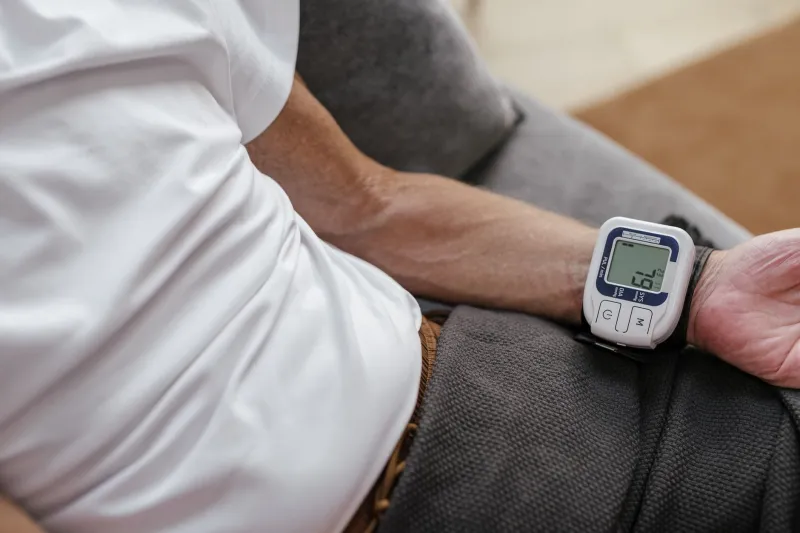
Then come the measurements. Someone will check your height and weight to work out your BMI, and often your waist measurement too. Your blood pressure gets taken with a cuff. You may have a finger-prick blood test for cholesterol, and sometimes a blood glucose test or a referral for one. Some checks also include a dementia risk assessment or an alcohol risk score.
None of these are a diagnosis on their own. A single high reading is a prompt, not a verdict. Blood pressure especially can jump around if you’ve raced in from the car park, had a coffee, or spent the whole morning worrying about the appointment.
What the numbers are trying to tell you
Your blood pressure is usually written as two numbers, like 120 over 80. The top number is the pressure when your heart pushes blood out; the bottom is the pressure when it relaxes. In a clinic, high blood pressure is generally considered to be around 140 over 90 or above, but your clinician will look at the whole picture. If it’s high, they may suggest a repeat check or a 24-hour monitor rather than leaping straight to medication.
Cholesterol is a bit more nuanced than one number. A total cholesterol under 5 mmol/L is often used as a rough target for healthy adults, but the balance between LDL, HDL and triglycerides matters too. Your clinician will interpret it alongside your age, blood pressure, smoking status and family history.
Many checks also give you a QRISK score. That’s an estimate of your chance of having a heart attack or stroke in the next ten years. It is not a crystal ball. A score of 10% or more usually means a conversation about ways to lower it. That might be lifestyle support, medication such as statins, or both. A lower score doesn’t mean you can ignore the basics either.
How to prepare without turning it into revision
You don’t need to fast unless you’ve been specifically told to. You don’t need to change your whole routine for the week before. Do bring a list of any medicines you take, including anything you bought over the counter, and jot down any family history of early heart disease, stroke or high cholesterol. If you know your numbers from a previous check, bring those too.
On the day, avoid caffeine, smoking and vigorous exercise for about half an hour before your blood pressure is taken. Wear something with sleeves that can be rolled up easily. And if you’re anxious, say so. A decent clinician would much rather know than watch you white-knuckle the armrest.
It’s a chat, not a courtroom
The most useful part of the check is often the bit after the measurements. You get to ask questions. What does this number mean for me? What would make the biggest difference? What support is available locally? Could I try a lifestyle change first, or is medication worth discussing now?
You’re allowed to leave with a plan rather than a telling-off. That plan might be a repeat blood pressure check, a referral to a stop-smoking service, a walking group, a statin discussion, or simply a note to eat a bit more fibre and a bit less salt. Small, specific and doable beats a vague promise to be healthier.
And if you haven’t had a letter yet? You can ask your GP surgery whether you’re due one. If you’re over 40 and haven’t been invited in the last five years, it’s a reasonable question to raise. Prevention is not a dramatic act. It’s usually a cuff, a conversation and a follow-up.
H4RT’s take: go along, bring your questions, and leave the exam nerves at the door. The numbers are there to start a conversation, not to grade you.