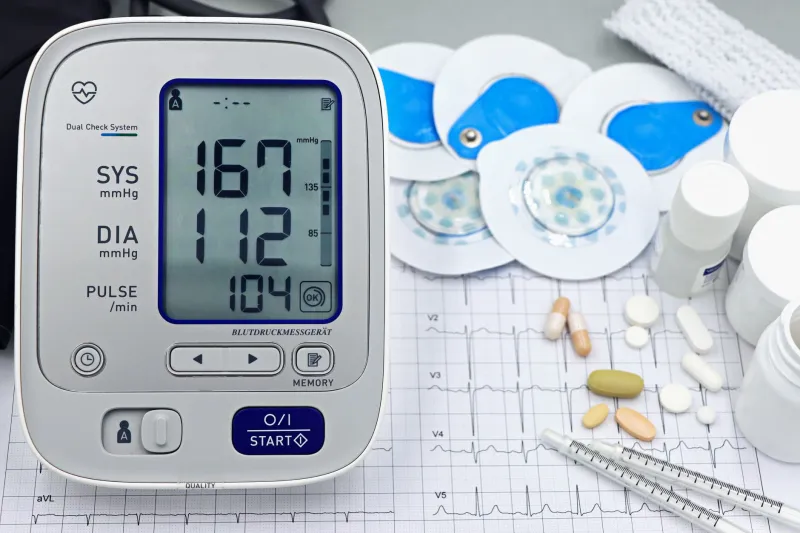
The Quiet Check-In: Making Room for Honest Heart Talk in British Homes

British stoicism gets a lot of things right. It keeps queues civil, funerals dignified and conversations about the weather mercifully brief. But when it comes to the heart, the stiff upper lip can be a terrible translator. 'I'm fine' might mean 'I don't want to make a fuss'. It might mean 'I'm scared'. It might mean 'if I say it out loud, it becomes real'. None of those are a diagnosis, and none of them are a plan.
The trouble with a perfect 'I'm fine'
Heart symptoms do not always arrive like a soap opera cliffhanger. Sometimes they are a heaviness in the chest that gets blamed on last night's curry. Sometimes they are breathlessness on the hill you have walked for years. Sometimes they are a tiredness so ordinary that you assume everyone feels like this now. Sometimes they are palpitations, a clammy feeling, a strange ache in the jaw or a wave of nausea that passes and is forgotten.
The danger is not that British people are dramatic. It is the opposite. We are world-class at self-editing. We wait for symptoms to become a story worth telling. We do not want to waste a GP appointment. We do not want to frighten our partner. We do not want to be the person who called 999 for indigestion. So we file it away, make another cup of tea and carry on.
That is understandable. It is also how heart problems can get a head start.
What 'not alarmist' actually means
Being sensible about heart symptoms does not mean panicking at every twinge. It means knowing which lane you are in.
If you have chest pain or pressure that comes on suddenly, lasts more than a few minutes, or spreads to your arm, jaw, neck or back - especially with breathlessness, sweating, nausea or feeling faint - call 999. Do not drive yourself. Do not wait to see if it passes. That is the emergency lane. It is there for a reason, and using it is not overreacting.
If you have a new breathlessness doing things you usually manage, palpitations that keep happening, unusual fatigue, swelling in your ankles, or chest discomfort that comes and goes, contact your GP surgery. If they are closed, NHS 111 can advise you. Write down what happened, when it happened and how long it lasted. A few notes on your phone are more useful than a vague memory three weeks later.
The aim is not to diagnose yourself. The aim is to stop pretending there is nothing to discuss.
Scripts for the surgery
Lots of people freeze when they finally get in front of a GP. The symptom that felt obvious at home suddenly sounds silly. Here are some plain scripts you can borrow.
- 'I would like to talk about a symptom I have been putting off.'
- 'It tends to happen when I... and it lasts about...'
- 'I am worried it could be related to my heart because...'
- 'What should I do if it happens again?'
- 'Should I be recording anything - timing, triggers, how long it lasts?'
- 'I have a family history of heart problems, and I wanted to mention it.'
You can also take a list of your medicines, or a photo of them. You can ask for an interpreter if you need one. You can take someone with you if that makes the conversation easier. You can use an online consultation if speaking on the phone makes you clam up. None of this is making a fuss. It is just giving the GP enough to work with.
The family check-in that does not feel like an interrogation
At home, the quiet check-in can be more powerful than a big speech. Notice, name what you have seen, and offer something practical. Try: 'You have seemed more wiped out than usual lately. I am not trying to nag, but I would rather ask than ignore it.' Or: 'I have noticed you getting breathless on the walk to the shop. Shall we get it looked at?'
If someone says they are fine, you do not have to turn it into a debate. You can say: 'Good. If anything changes, tell me and we will sort it.' Then follow up. A text the next day counts. An offer to book the appointment counts. A lift to the surgery counts.
Silence is not a strategy. Neither is scaring someone into a corner. The middle ground is a calm, repeated message: you are worth checking on.
Strength can be saying it out loud
There is a version of British toughness that protects people. Then there is the version that keeps them quiet until the ambulance arrives. The difference is not weakness. It is language.
Heart health made human means accepting that hearts are not tidy. They do not always send a clear memo. They send aches, flutters, tiredness and breathlessness, and they rely on us to take those messages seriously. If you have been sitting on a symptom, this is your nudge. Say it to someone. Book the appointment. Ask the question. The kettle can wait.