Your Corner Chemist Knows Your Numbers: A Calm Guide to Pharmacy Blood Pressure Checks
There is a blood pressure cuff in a lot of high street pharmacies now. It sits near the counter, next to the cough sweets and the repeat prescription queue, and it is easy to walk past. That is a shame, because for a lot of people it is the most convenient heart check available.
In England, the NHS community pharmacy blood pressure check service is designed to make one specific thing easier: finding out whether your blood pressure is higher than it should be, without needing a GP appointment first. It is not a diagnosis service. It is a first step. And for many adults, it is a free and friendly one.
What the pharmacy check actually is
A pharmacist or trained pharmacy team member will put a cuff on your arm and take a reading, usually while you are seated. It takes a few minutes. Some pharmacies will take a second reading to check the first. You may be asked about medicines, family history, and whether you already have a diagnosis of high blood pressure.
The service is not the same as a full cardiovascular risk check. It does not replace a GP assessment, blood tests, or a medication review. It is a screening step: a way to find out whether you need to have a proper conversation about your blood pressure.
Availability varies. Not every pharmacy offers the service, and some may ask you to book ahead. If you are unsure, ring your local pharmacy or look on the NHS website. It is a good idea to check before making a special trip.
Who it is for
In England, the NHS community pharmacy blood pressure check service is generally for adults aged 40 and over who do not already have a diagnosis of high blood pressure. That age threshold is not a suggestion that nothing matters before 40. It is simply how the service is set up.
If you are under 40 and have a family history of early heart disease, or you have symptoms that worry you, speak to your GP. If you are pregnant or have recently given birth and have headaches, visual changes, swelling or feel unwell, seek urgent medical advice rather than waiting for a pharmacy check. If you have chest pain, severe shortness of breath, or signs of a stroke, call 999.
The pharmacy service is also not for people who already have a diagnosis and are being monitored by their GP. Those checks should stay with the team who knows your history. But you can still use your pharmacy for advice about medicines and lifestyle.
What the numbers mean
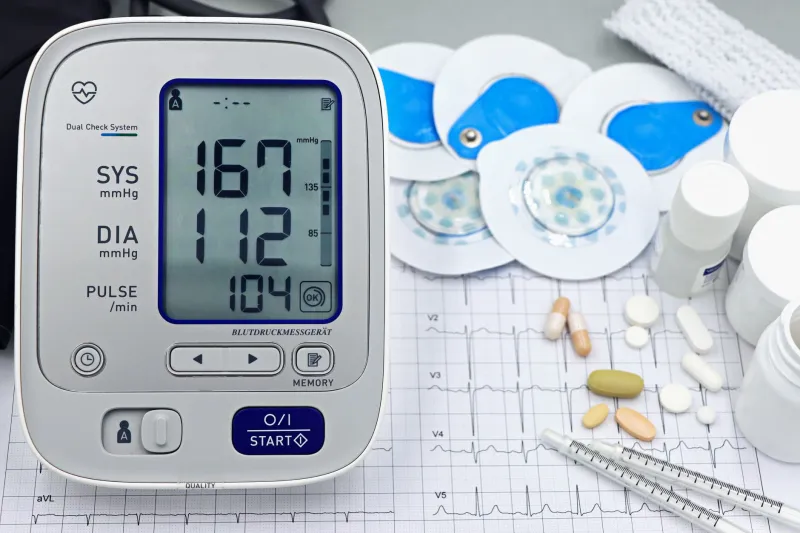
A blood pressure reading comes as two numbers, such as 120/80 mmHg. The first is systolic pressure, the pressure when your heart pumps. The second is diastolic pressure, the pressure when your heart rests between beats.
A clinic-style reading of around 120/80 is often described as ideal. A reading of 140/90 or higher, taken in a clinic or pharmacy, is usually the point at which further checks are advised. At home, the threshold is often lower, around 135/85, because home readings tend to be a bit lower than clinic readings.
One high reading is not a diagnosis. Blood pressure moves around. Stress, caffeine, a rushed walk to the pharmacy, a full bladder, or the sight of the cuff itself can all push it up. That is why a second reading, and often a home monitoring period or a GP review, is used before any decision is made.
If your reading is high, do not spiral
A pharmacist will usually explain the reading and advise you to see your GP for a proper assessment. That is not a reason to panic. It is a reason to book an appointment and get the fuller picture.
If your reading is very high, for example 180/120 or above, you should seek urgent medical advice. If you also have chest pain, breathlessness, weakness, confusion, or vision changes, call 999. Do not wait to see if it settles.
For most people, a high reading is a prompt, not an emergency. It may lead to home monitoring, lifestyle advice, or medication. All of those are normal, common paths. High blood pressure is often silent, which is exactly why checks matter. Finding it early is a good thing, not a failure.
Why the pharmacy is a sensible first stop
Pharmacies are open early, open late, and often open at weekends. You do not need an appointment for many services. You can ask a question without feeling like you are taking up a GP slot. For people who have not seen a doctor in years, that low barrier matters.
The pharmacist can also talk to you about lifestyle in a practical way: salt, alcohol, activity, sleep, and smoking. They can check how you take your medicines if you already have a prescription. They can tell you what to do next. What they cannot do is replace your GP. The pharmacy is the front door, not the whole house.
How to get the most from the visit
Wear a short-sleeved top or something with loose sleeves. Avoid caffeine, smoking and vigorous exercise for about 30 minutes before the check. Sit quietly for a few minutes before the cuff goes on. Keep your arm supported and your feet flat on the floor. Do not talk while the reading is being taken if you can help it.
Bring a list of your medicines, including anything you buy over the counter. If you have readings from home, bring them. Ask what the numbers mean and what happens next. If you are told to see your GP, ask the pharmacy team to write the reading down so you can take it with you.
The bottom line
A pharmacy blood pressure check is not a test you need to dress up for. It is a few minutes, a cuff, and a conversation. It can tell you something useful about your heart, and it can point you towards the right next step. If you are eligible and you have been putting it off, your local chemist is a calm place to start.