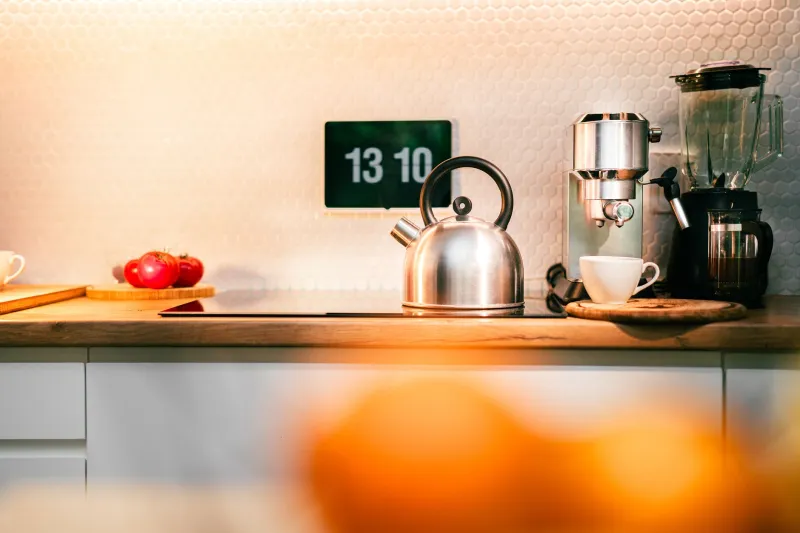
The Kettle Stays On: A Heart-Kinder Guide to the Great British Tea Break
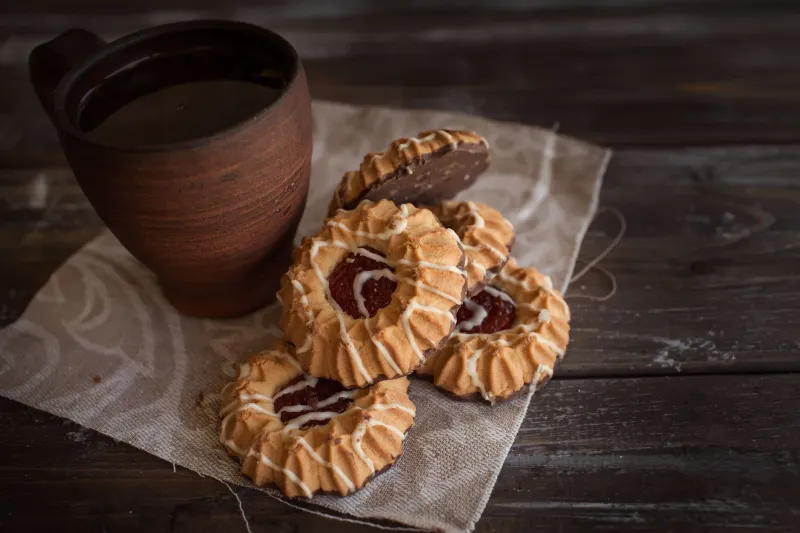
At about four o'clock, something happens in British kitchens. The kettle clicks on. A cupboard door opens. A biscuit tin appears, or a packet rustles, and for a few minutes the day slows down. It is one of the nicest habits we have. It is also one that can drift into autopilot without anyone noticing.
This is not an article about banning the kettle. It is not about replacing your custard cream with a rice cake and pretending to be delighted. It is about keeping the ritual and making the default a little kinder to your heart.
The ritual is not the problem
A tea break is not just food. It is a pause button with a handle. It gives you a reason to sit down, to chat to a colleague, to check in with a partner, or to stare out of the window for four minutes without a screen in your face. That emotional side matters. Stress, loneliness and rushing all day can make good habits harder, and a small, reliable pause can help take the edge off.
The problem is not tea. The problem is the bit where you look up from your phone and realise you have eaten six biscuits without tasting any of them. The fix is not guilt. It is a slightly better setup.
The biscuit maths, without the spreadsheet
Most of us do not need a biscuit ban. We need a default that does not require willpower at 4pm, when willpower is already tired. A few small moves help.
Put the biscuits on a plate, not the packet. Take a set number, then put the packet away. Use a smaller bowl if you are a grazer. Buy the treat you actually like rather than the giant multipack you eat absent-mindedly. Keep fruit and nuts where you can see them. Share the packet with someone instead of working through it solo. And eat the first bite properly - the first bite is usually the best one, and noticing it makes the rest less automatic.
A couple of biscuits is not a health crisis. A daily habit of eating a whole packet without noticing is worth a gentle rethink.
Swaps that do not taste like punishment
You do not have to ditch every biscuit. You can keep your favourite and add something alongside it: an apple, a handful of berries, a small handful of unsalted nuts, a pot of yogurt, or a slice of fruit loaf. The aim is a bit more fibre, a bit more protein, and a bit less relying on sugar alone to get you through the afternoon.
Other easy swaps include oatcakes with cheese and apple, toast with peanut butter and banana, or a couple of squares of dark chocolate with your tea. If you take sugar, reduce it gradually rather than going cold turkey - your taste buds will catch up. And ordinary tea with milk is fine. You do not need to force down green tea if you cannot stand it.
The four-minute pause
Here is the part that has nothing to do with biscuits. Use the tea break as a proper pause, not a pit stop. Put your phone down. Make the tea deliberately. Sit for the first few sips. Breathe a little more slowly. Notice the warmth of the mug. Then stand up, stretch, or take a short walk to the bin, the window or the front door.
Four minutes is enough to shift out of autopilot. It will not replace medication or a GP appointment, and it is not a cure for stress. But a small daily reset can make the next hour feel less like a sprint. That is good for your head, and it makes it easier to make decent choices for your heart.
Making it stick at work and at home
At work, keep a small plate and a tin rather than a family-size packet on your desk. Suggest a walking tea break once a week. At home, make the pause shared when you can: sit down together, put the television on pause, and actually drink the tea. If you live alone, still set the mug down and sit. The ritual works better when it is not done standing up while answering emails.
The kettle stays on. The tin can stay too. Just make the four o'clock habit a little more deliberate, a little less automatic, and a lot less guilt-ridden. Heart health made human means not turning every biscuit into a moral test.