The Two-Minute Arm: Putting Your Flu Jab on the Heart's To-Do List
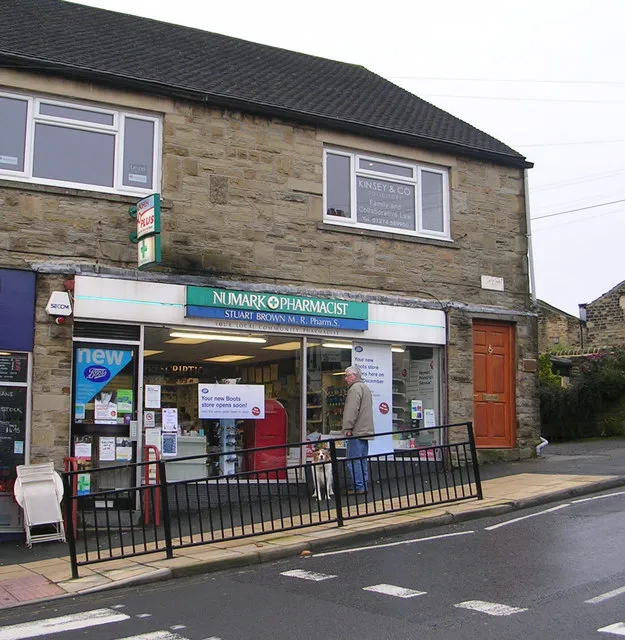
Photo: Betty Longbottom, CC BY-SA 2.0, via Wikimedia Commons
There is a particular kind of British optimism that says a flu jab is just a scratch, a lollipop stick of a job, and then you can get on with the Christmas shopping. Fair enough. But if you have a heart condition, that quick roll of the sleeve deserves a slightly bigger slot in the diary. Not because it is frightening, and not because you need to wrap yourself in cotton wool afterwards. Because flu and the heart have a longer conversation than most of us realise.
Why flu is not just a cough that hangs around
Influenza is a proper illness, not a heavy cold with better branding. It can bring fever, dehydration, coughing, poor sleep and a few days of feeling flattened. Your body responds with inflammation and a faster heartbeat, and your blood pressure can wobble. For someone with a healthy cardiovascular system, that is usually recoverable. For someone with heart disease, heart failure, an irregular heartbeat or a history of stroke, it is extra load on a system that may already be working hard.
Research has repeatedly found that respiratory infections like flu are linked to a higher risk of heart attack and stroke in the days and weeks after infection, especially in older adults and people with existing heart problems. The vaccine is not a force field. It does not guarantee you will avoid every sniffle. What it does do is reduce the chance of severe illness, hospitalisation and the kind of full-body strain that can tip a vulnerable heart into difficulty. Think of it as taking one obvious stressor off the list before winter properly sets in.
The NHS route, minus the bureaucracy
In the UK, the NHS flu vaccine is offered to groups who are more likely to get seriously unwell. That generally includes people aged 65 and over, pregnant women, people with certain long-term health conditions, carers, and some close contacts of people with weakened immune systems. Heart conditions are one of the long-term health categories that usually qualify, but eligibility can be tweaked from year to year. The current list lives on NHS.uk, and your GP surgery or local pharmacy can confirm where you stand.
Booking is rarely complicated. Many community pharmacies offer walk-in appointments or an online booking form, and plenty can vaccinate adults who meet the NHS criteria. Your GP surgery may run clinics too. If you are unsure whether your heart condition counts, say so plainly when you book: "I have a heart condition and I want to check whether I am eligible for the NHS flu jab." That is not making a fuss. It is just asking a useful question.
What to say when you are there
You do not need to arrive with a medical dossier. A short, clear sentence works: "I have [condition], and I take [medication]. Is there anything I should know about having the jab today?" If you have had a reaction to a vaccine before, mention it. If you are currently unwell with a fever, ring ahead and ask whether to rebook. If you are on blood thinners, the injection is usually still fine, but the vaccinator should know so they can press firmly and check for bruising.
The vaccine itself takes seconds. The conversation around it can be just as short. You are not there to be told off about your diet, your step count or the fact that you have not opened the leaflet. You are there for one preventive job. Keep it that way and it stays doable.
The bit where you pair it
Here is a small habit that makes the trip work harder for you: after the jab, ask for a blood pressure check. Many pharmacies offer one, and GP surgeries can do it too. You are already sat down, sleeve already rolled up, and it takes a couple of minutes. If your numbers are higher than usual, you have a useful prompt to book a proper review rather than a reason to panic in the car park. If they are fine, you have a baseline and a bit of reassurance.
This is the H4RT version of joined-up thinking: one appointment, two bits of heart admin. Roll up your sleeve, take the jab, then ask the simple question. "Could I have my blood pressure checked while I am here?" No lecture required. Just a two-minute arm and a slightly better-informed winter.